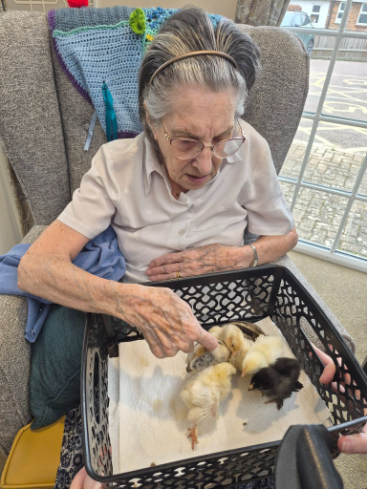
How Care Homes Support Independence in Later Life
When people think about moving into a care home, one of the concerns they may have is whether they will still be able to live life in their own way. For many people, maintaining independence, having choices and continuing to enjoy familiar routines remain important, even when additional support is needed.
A good care home should not simply provide care around the clock. It should support each resident to remain involved in everyday decisions, continue doing the things they enjoy and maintain as much independence as possible.
What Does Independence Mean in Later Life?
Independence can mean something different to everyone.
For one person, it may mean choosing what time they get up in the morning. For another, it could mean continuing to enjoy a favourite hobby, choosing what to wear, helping with everyday tasks or spending time with friends and family.
As someone's care needs change, they may need support with certain activities that they previously managed alone. This does not mean that they should lose their ability to make choices about the rest of their day.
Supporting independence is about finding the right balance between providing assistance when it is needed and allowing residents to remain in control of the things they can still do for themselves.
Encouraging Choice And Control
Having choices throughout the day can help residents feel more in control of their lives.
This might include choosing what to eat, deciding which activities to take part in, selecting how to spend their free time or deciding when they would like to socialise with others.
These may seem like small decisions, but having a say in everyday life can be an important part of a person's wellbeing.
At White House Care Home, getting to know each resident as an individual helps the team understand their preferences, routines and interests, allowing support to be shaped around the person rather than taking a one-size-fits-all approach.
Supporting Residents With Everyday Activities
Care home support does not have to mean doing everything for a resident. Where appropriate, staff can encourage residents to remain involved in everyday activities and provide assistance when it is needed.
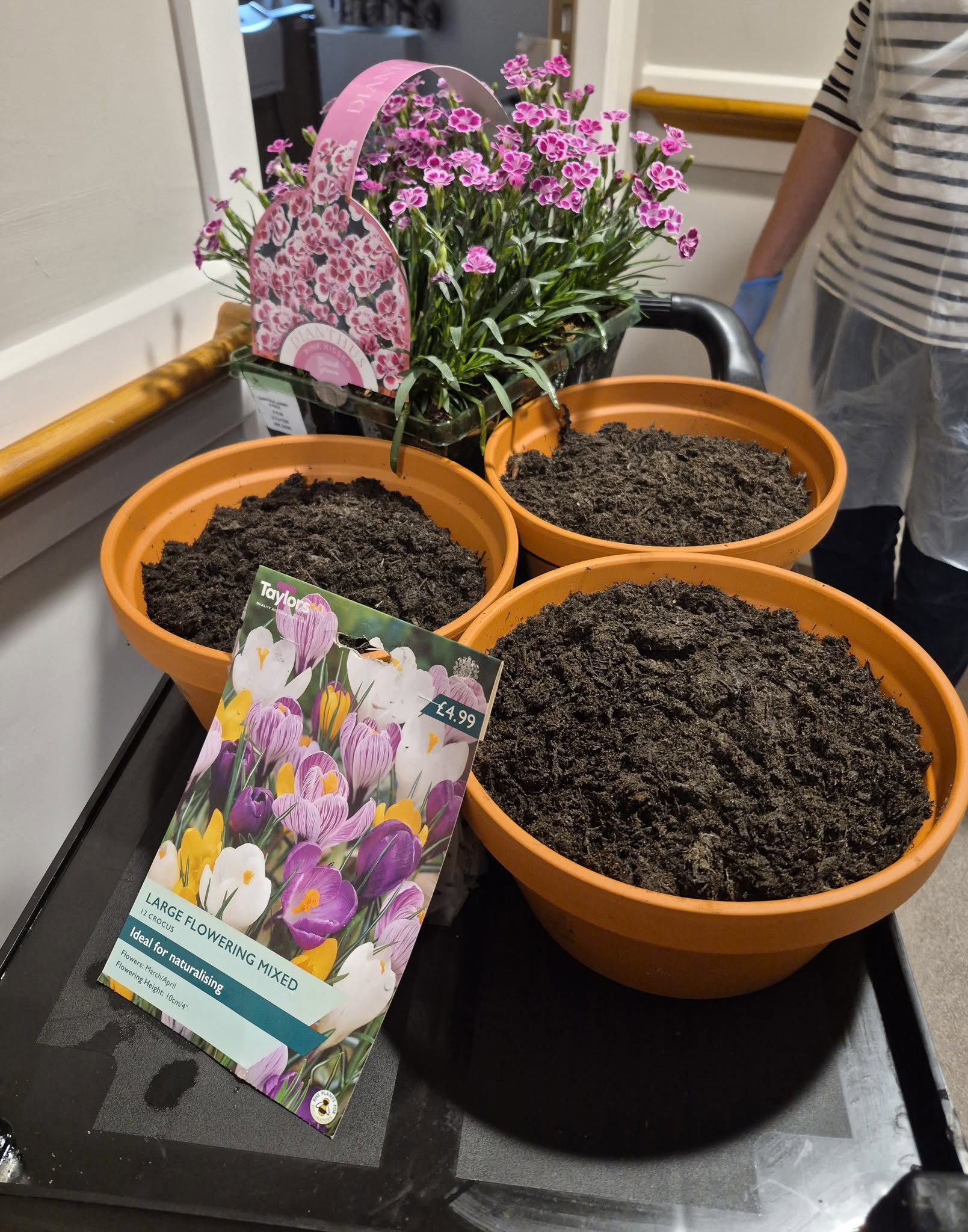
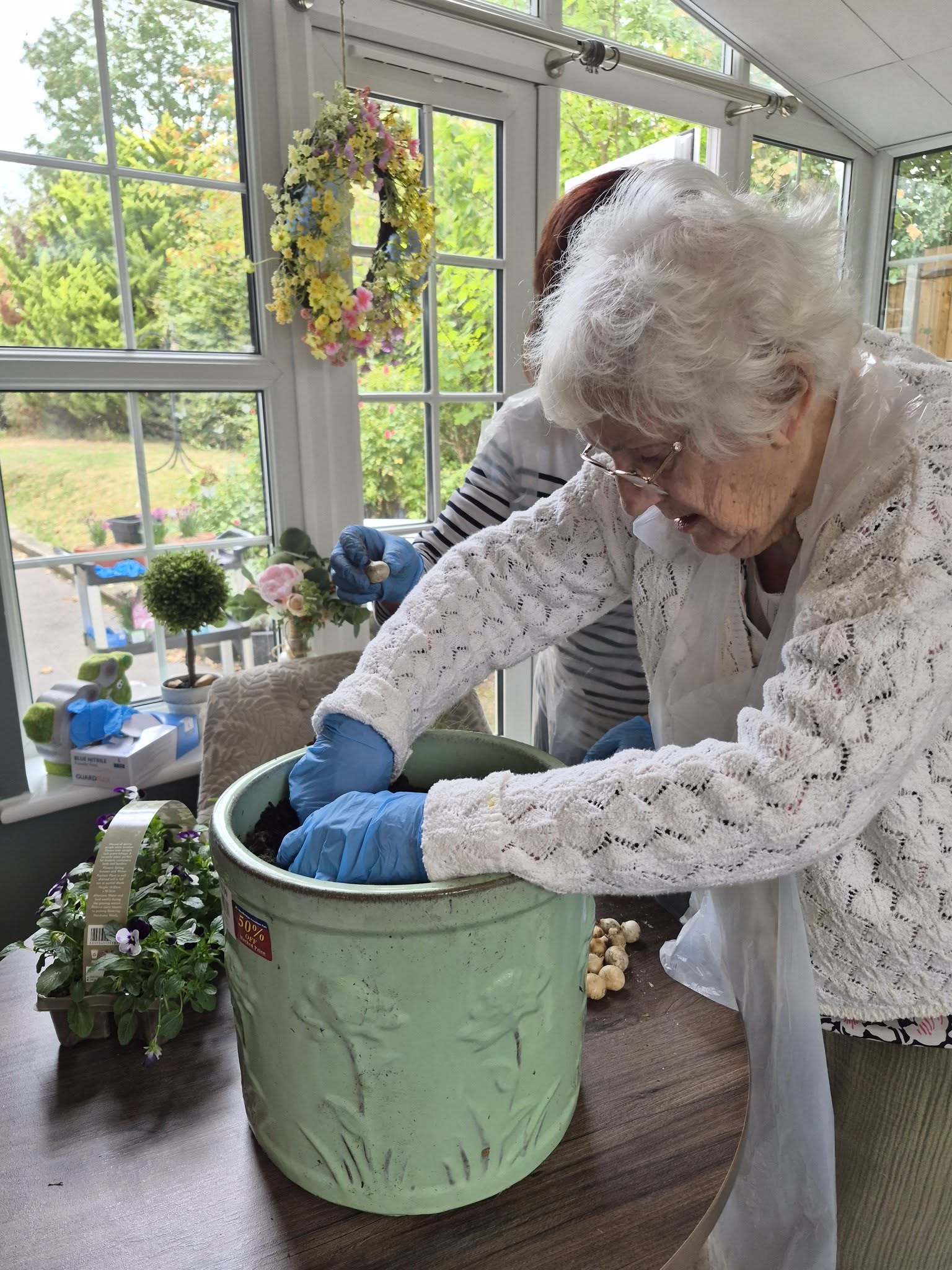
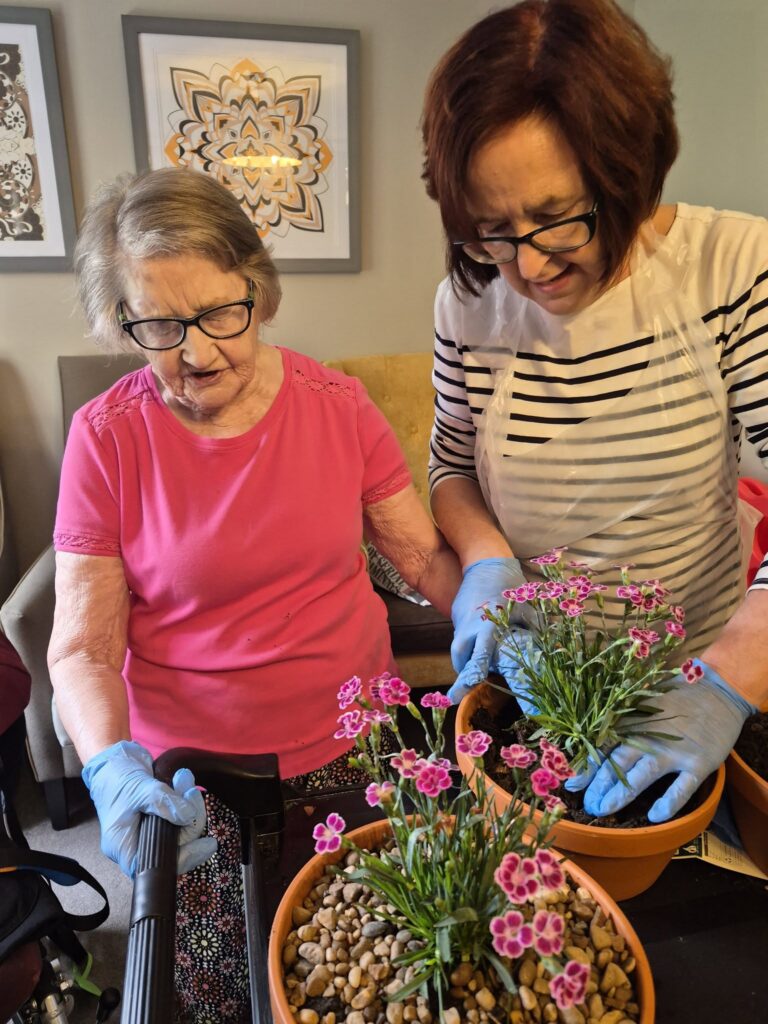
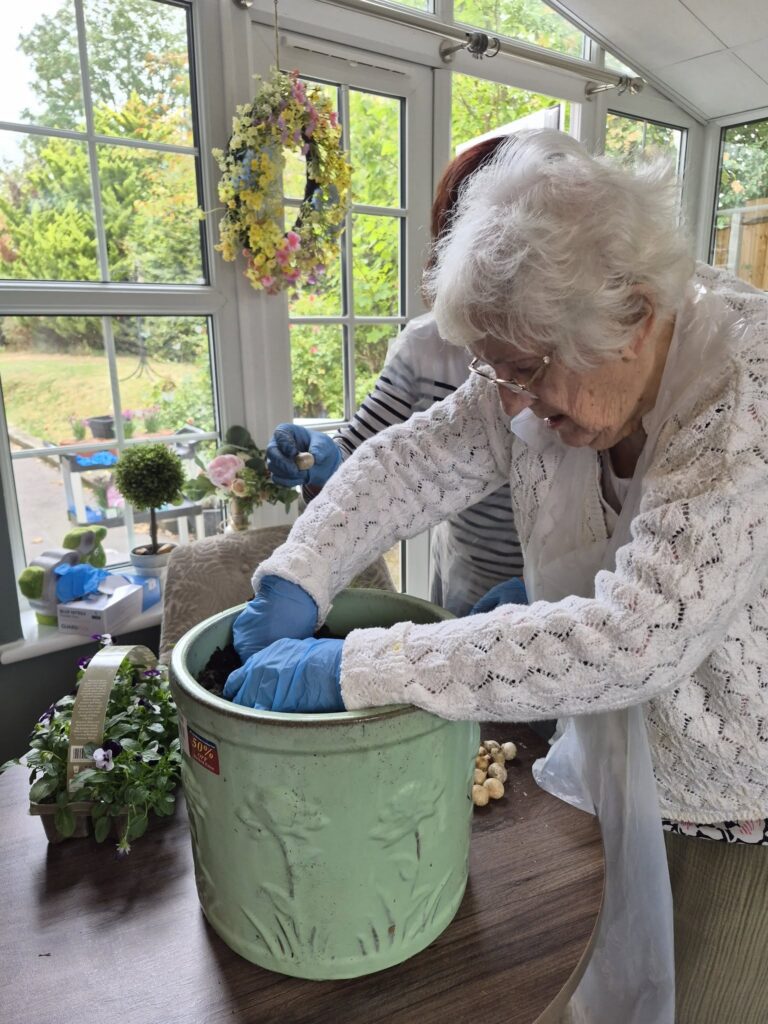
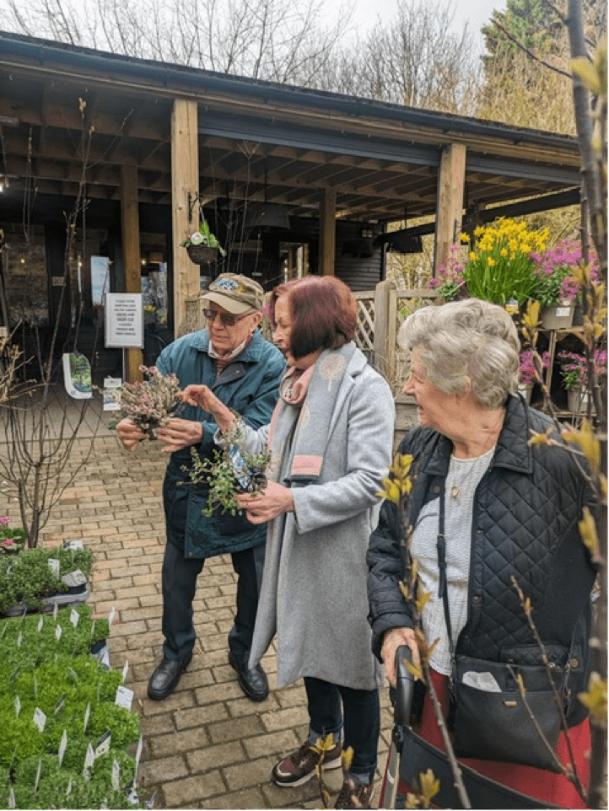
For example, someone may still enjoy choosing their clothes, helping to set a table, tending to plants or taking part in activities around the home. They may simply need a little additional support to do so.
Encouraging these everyday activities can help residents maintain familiar skills and routines while giving them opportunities to remain active and involved.
Continuing Favourite Hobbies And Interests
Moving into a care home does not mean leaving favourite hobbies behind.
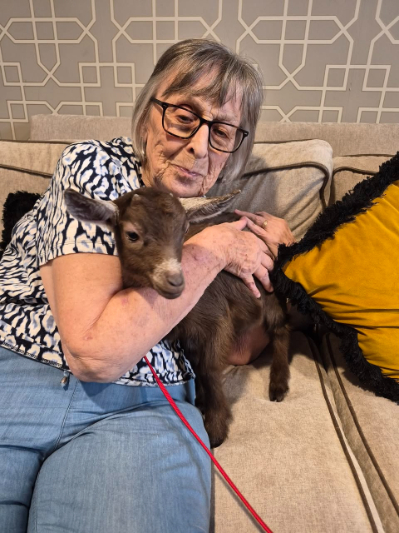
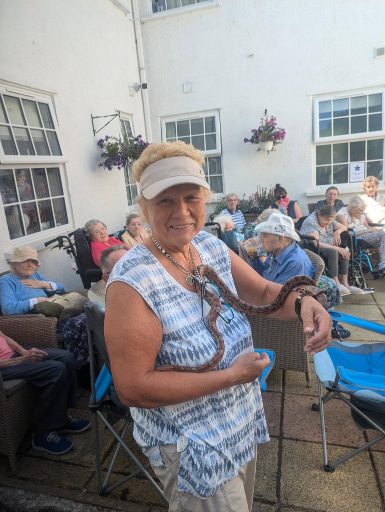
Residents can continue to enjoy activities that have always been important to them, whether that is reading, listening to music, gardening, arts and crafts, watching sport or spending time outdoors.
Care homes can also introduce residents to new activities and interests. Having opportunities to try something different can help people meet others, build new routines and enjoy new experiences while still keeping their existing interests at the heart of everyday life.
Staying Connected With Family And Friends
Maintaining relationships is another important part of independence and wellbeing in later life.
Family members and friends can continue to play an important role after someone moves into a care home. Regular visits, phone calls and shared activities can help residents maintain the relationships that matter most to them.
For some residents, family visits may also provide opportunities to continue familiar routines, such as enjoying a cup of tea together, looking through photographs or going for a walk.

Independence And Personalised Care
Every resident has different abilities, preferences and care needs. Someone may be completely independent in one area of their daily life while requiring more support in another.
This is why personalised care is so important.
By understanding each resident's individual needs and preferences, care teams can provide appropriate support while encouraging people to remain involved in their own lives. As needs change over time, the support provided can change too.
The aim is not to take away independence, but to help residents make the most of the abilities and choices that remain important to them.
Supporting Independence At White House Care Home
At White House Care Home in Letchworth Garden City, residents are supported as individuals, with their preferences, interests and routines forming an important part of everyday life.
From making everyday choices to taking part in activities and spending time with the people who matter to them, residents can be encouraged to remain involved and maintain their independence wherever possible.
If you are considering care for yourself or a loved one and would like to learn more about life at White House Care Home, our friendly team would be happy to answer your questions. Get in touch with us or arrange a visit to see the home and meet the team.