What Daily Life Is Like in a Modern UK Care Home
Many families begin their search for care with a simple but important question. What is life in a care home actually like day to day? For those who have never experienced one, it can be hard to picture anything beyond outdated stereotypes. Modern UK care homes are very different from the image many people still hold.
Today, life in a care home is centred around comfort, choice and meaningful daily experiences. Residents are supported to live full, engaging lives, with care tailored to their needs and routines shaped around what matters to them.
A Day Built Around Familiar Routines
One of the most comforting aspects of modern care homes is the sense of routine. Having structure helps residents feel secure, particularly for those living with dementia or memory loss.
Mornings often begin gently, with residents waking at their own pace. Some enjoy breakfast early, while others prefer a slower start to the day. Carers support residents with personal care as needed, always respecting dignity and independence.
Throughout the day, routines remain flexible. There is no pressure to follow a strict timetable. Instead, residents are encouraged to live in a way that feels natural to them, whether that means spending time in communal areas or enjoying quiet moments in their own room.

Activities That Bring Purpose and Enjoyment
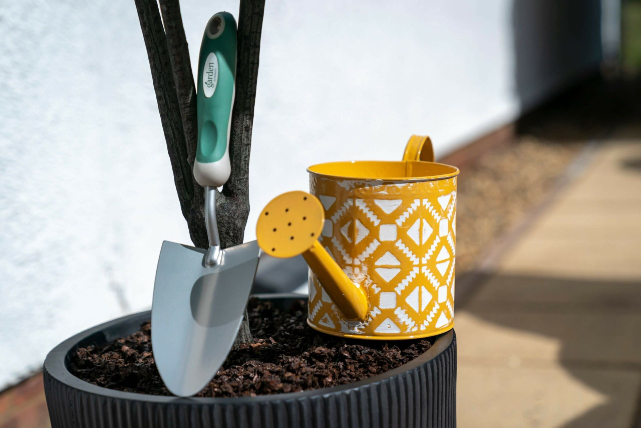
Activities play a central role in modern care homes. Far from being an afterthought, they are carefully planned to support physical health, mental wellbeing and social connection.
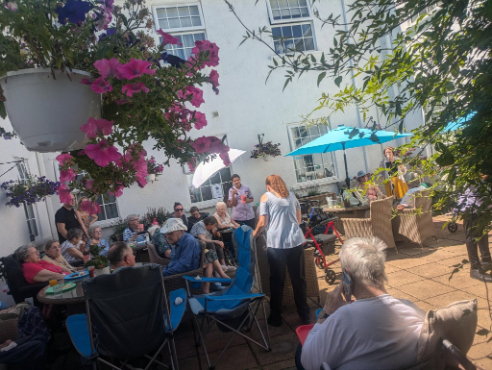
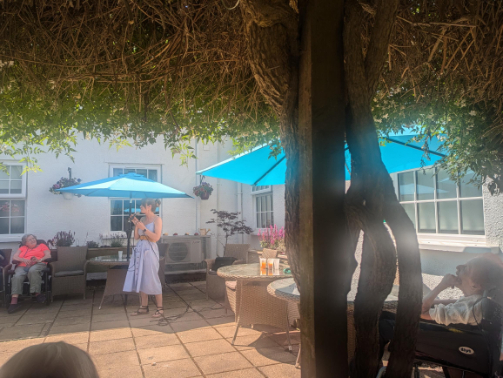
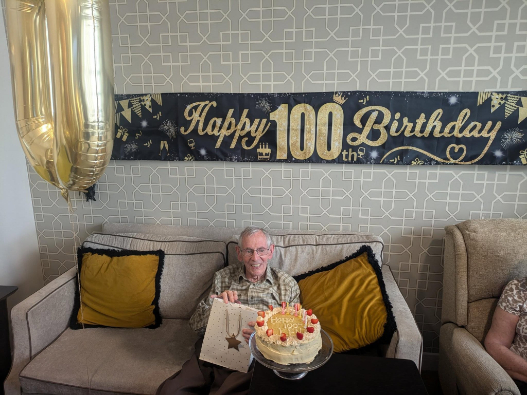
Activities for nursing homes now go well beyond simple pastimes. Residents may take part in creative sessions, gentle movement, music, games or themed events. These activities help residents stay active and engaged while offering opportunities to laugh, reminisce and connect with others.
Nursing homes activities are designed to suit a wide range of abilities, ensuring everyone can take part in a way that feels comfortable. Activities for seniors in nursing homes are often adapted so that even those with limited mobility or cognitive challenges can still enjoy meaningful participation.
Importantly, residents always have a choice. Some enjoy busy group sessions, while others prefer quieter activities or one to one time with staff.
Mealtimes as a Social Experience
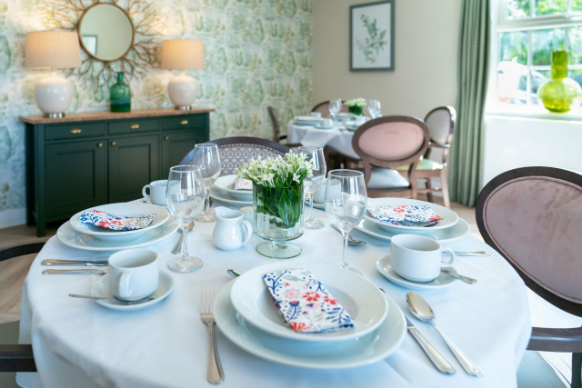
Food is a key part of daily life in a care home, not just for nutrition but for enjoyment and connection. Mealtimes are often social occasions where residents come together, chat and relax.
Meals are freshly prepared, with menus designed to suit different tastes and dietary needs. Residents are supported where needed, but independence is always encouraged.
For many, sitting down to a shared meal brings comfort and a sense of normality. It is often one of the highlights of the day and an important part of maintaining routine and wellbeing.
The Role of Carers in Daily Life
Behind every positive care home experience is a dedicated team of carers. Understanding the roles and responsibilities of a carer in a care home helps families feel reassured about the level of support their loved one will receive.
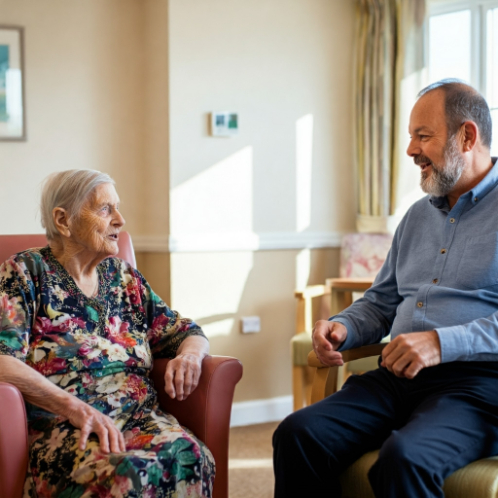
Carers provide assistance with daily tasks such as personal care, mobility and medication, but their role goes far beyond this. They offer companionship, reassurance and emotional support throughout the day.
For residents living with dementia, the roles and responsibilities of a dementia carer include providing structure, reducing anxiety and responding with patience and understanding. Familiar faces and consistent care help residents feel safe and supported.
Balancing Social Time and Personal Space
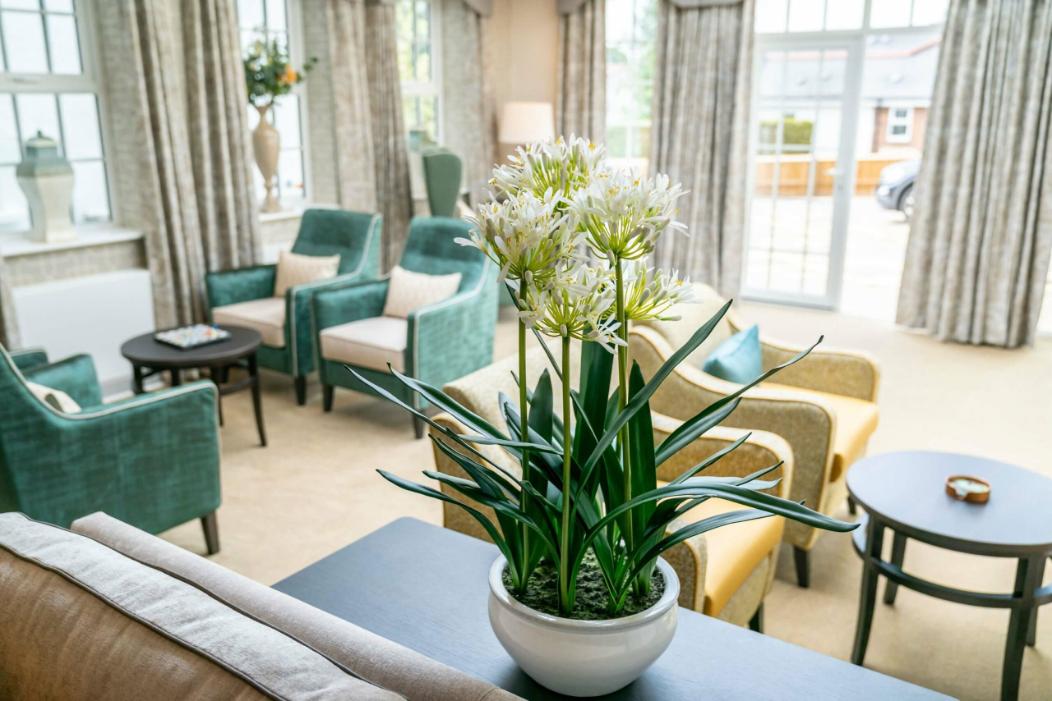
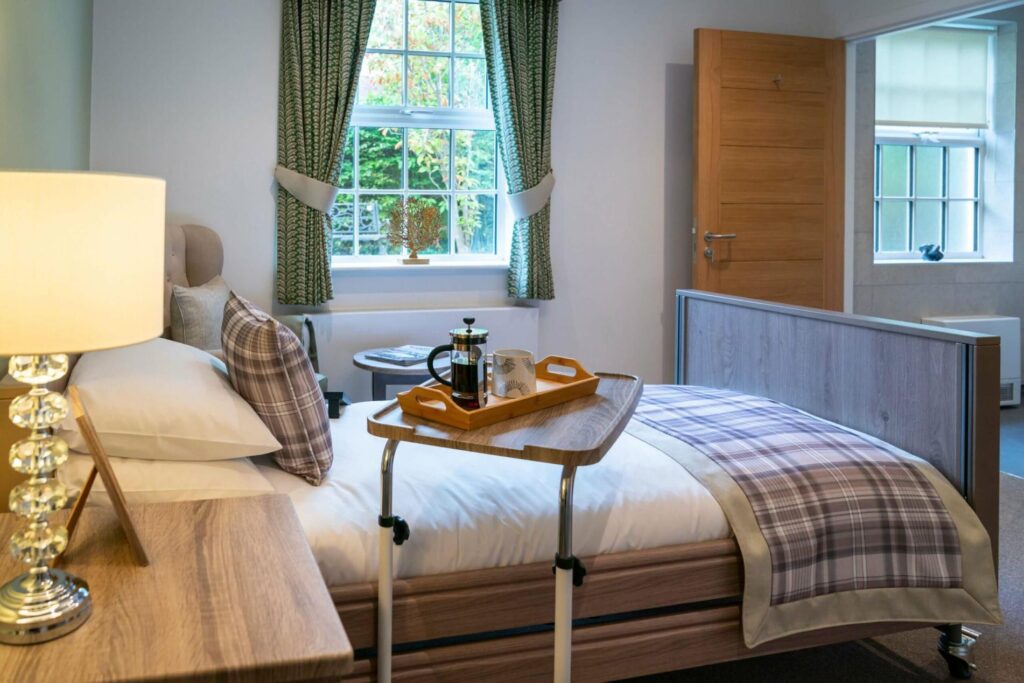
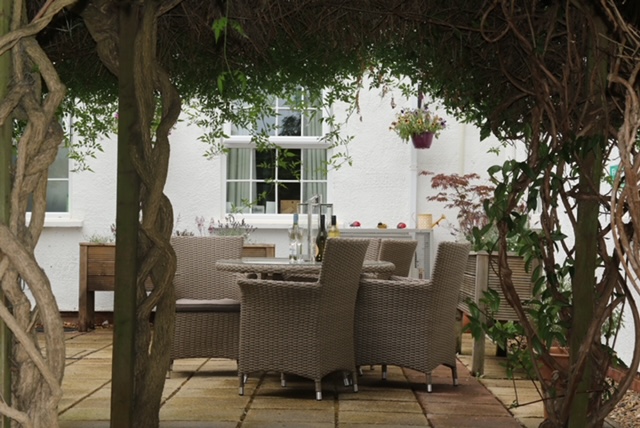
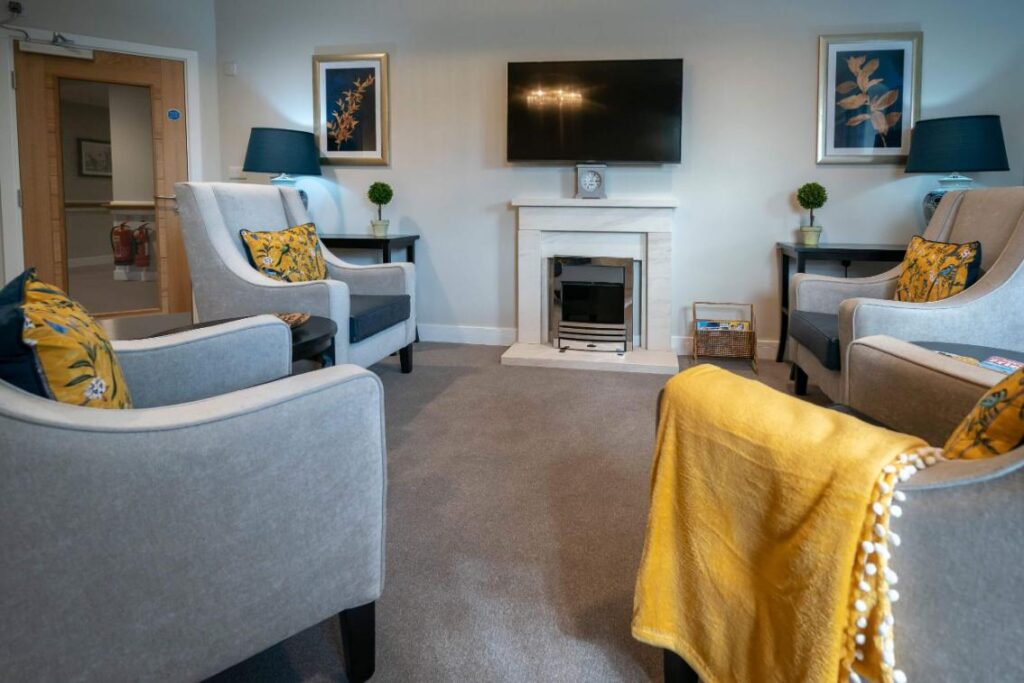
Modern care homes recognise that everyone needs a balance between social interaction and personal time. While communal lounges and shared activities encourage connection, residents also have private spaces where they can relax and unwind.
Some residents enjoy reading, listening to music or spending time reflecting quietly. Others may enjoy conversations with friends or family in comfortable shared areas.
Visitors are encouraged, and maintaining close relationships with loved ones remains an important part of life in a care home. These connections help residents feel grounded and emotionally supported.
Supporting Physical and Emotional Wellbeing
Wellbeing is about more than physical health. Modern care homes focus on supporting the whole person, emotionally as well as physically.
Gentle movement and light exercise help residents maintain strength and mobility. These activities are adapted to suit individual abilities and are often delivered in a relaxed, encouraging way.
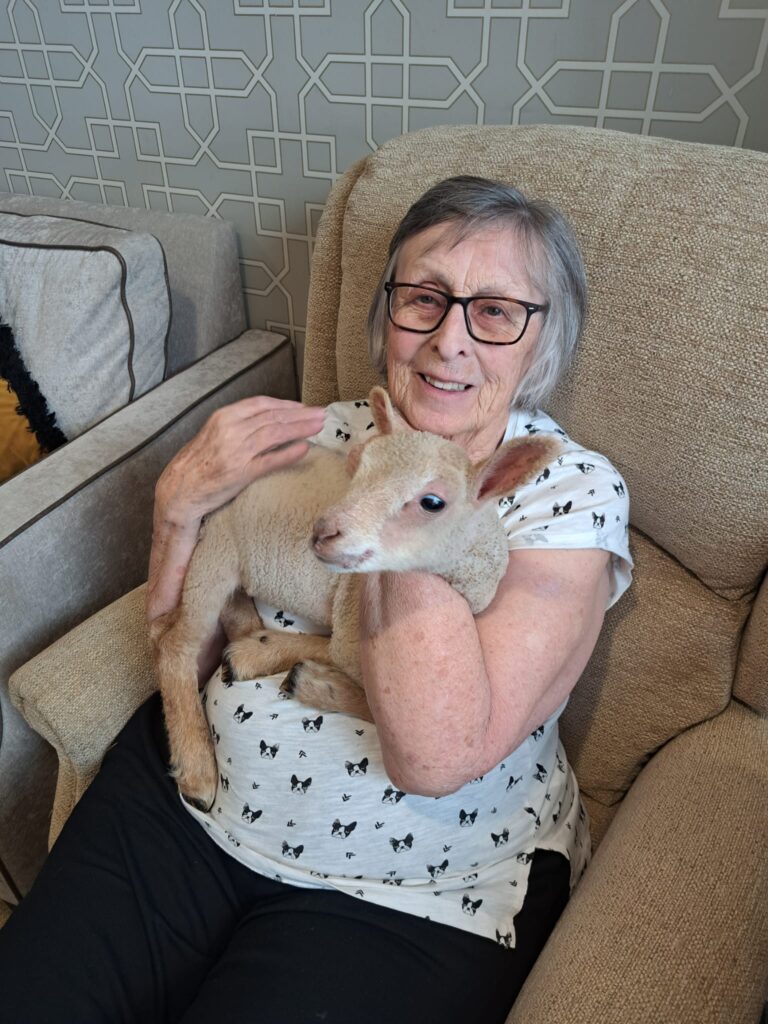
Emotional wellbeing is supported through companionship, routine and meaningful engagement. Care staff are always on hand for a conversation, a listening ear or reassurance during more challenging moments.
This holistic approach ensures residents feel valued, understood and cared for at every stage.
Life in a Care Home Today
Life in a care home today is very different from the outdated assumptions many people still hold. It is active, supportive and centred around the individual.
Each day offers opportunities to connect, enjoy familiar routines and feel part of a community. Residents are not defined by their care needs but supported to live life in a way that feels comfortable and fulfilling.
Life at White House Care Home in Letchworth
At White House Care Home in Letchworth, daily life is shaped around the people who live here. From engaging activities and nutritious meals to compassionate care and familiar routines, everything is designed to help residents feel at home.
If you are exploring care options and wondering what life in a care home is really like, visiting in person can make all the difference. Our team is always happy to answer questions and show families how modern care supports both comfort and quality of life.